The Science of Reset: How Your Nervous System Finds Flow Again
If you’ve spent years performing under pressure, here’s a truth nobody ever told you:
Your body remembers the game long after it ends.
Even when the season is over. Even when your career is over. Even when the world expects you to “move on.”
For many professional and former athletes, the toughest opponent isn’t identity loss, career confusion, or figuring out what to do when sports end.
It’s the nervous system that’s still stuck in survival mode.
This is the science athletes were never taught but desperately need during the athlete career transition.
The Nervous System, Explained Like an Athlete
Scientifically, your nervous system is your body’s command center: brain, spinal cord, and nerves sending messages faster than lightning speed.
But here’s the version that actually lands:
Your nervous system is your internal sideline coaching staff.
When your system is balanced, you enter flow: present, grounded, and effortlessly engaged.
When it’s not, you feel anxious, restless, or numb even if nothing is “wrong.”
And here’s the kicker:
Most athletes live 90% of their lives in a sympathetic fight-or-flight state.
Which means when sport ends, your body doesn’t know how to stand down.
Why Athletes Get Stuck ‘On’ After Sport
Sports trains you to override signals:
But every override teaches your nervous system: “You’re only safe when you’re performing.”
So when the performance stops, retirement, coaching transition, career pivot your nervous system panics.
This is why so many athletes feel:
This is not so much of a mindset issue. This is physiology meeting identity.
The Moment I Realized Something Was Off
I didn’t always have the language for nervous system dysregulation.
Most athletes don’t. But I felt it.
In the early days of meditation, something was off, really off but I didn’t know what to call it. I wanted to crawl out of my skin. I couldn’t sit still. I couldn’t be with myself. I didn’t know why it was so uncomfortable.
That question—“Why can’t I be with this discomfort?” changed everything.
Instead of avoiding the discomfort, I did the opposite.
I sat with it. I continued to meditate every morning.
I felt the grief, sadness, anger, and hurt I never let myself feel as an athlete.
Over time, something miraculous happened:
The anxiety didn’t overwhelm me anymore. My body felt calm. My system softened. I began to feel safe inside myself.
And because of that, I began to feel free again.
Flow is freedom. When time disappears and I’m fully engaged in the moment from my true self, in the absence of fear, lack, inadequacy or insecurity.
It’s not adrenaline. It’s not pressure. It’s not performing for approval. It’s being so rooted in your inner truth that everything else falls away.
That is what athletes are really looking for after sport not the next job, not the next “win,” but the next chapter of meaning.
Science-Backed Ways to Reset Your Nervous System
Here are simple, effective practices that don’t require equipment, hours, or performance:
1. Slow, Intentional Breathwork
Slow exhales activate your parasympathetic (“rest”) system.
A 2023 meta-analysis shows breathwork significantly reduces anxiety, stress, and emotional reactivity.
Try: 4-second inhale → 6–8 second exhale (3–5 minutes)
2. Nature Walks (With No Phone)
Your go-to regulation tool.
Walking without stimulation decreases cortisol, improves vagal tone, and quiets the sympathetic system.
Nature is a nervous system reset button—literally.
3. Magnesium (the underrated recovery mineral)
Magnesium regulates stress hormones, muscle tension, and nervous system firing.
You use both supplements and magnesium-rich foods when you feel yourself slipping back into old stress patterns.
It works because magnesium supports the body in returning to baseline.
4. Somatic Release for Built-Up Tension
When you feel emotion trapped in your chest, stomach, or throat, you don’t push through anymore.
You use breathwork to release it.
This is key for athletes who were taught to suppress rather than express.
5. Community and Co-Regulation
Peter Crone teaches that most of our suffering comes from the mental prisons we build ourselves.
And yet, we don’t escape alone. Humans regulate in connection.
Safe relationships tell your body: “You’re okay to soften now.” This is why community is essential to healing athlete identity after retirement.
Flow Is Not Found Through Force—It’s Created Through Safety
This is the mindset shift for former athletes:
You don’t need to earn peace. You need to allow it.
And once your nervous system learns how to settle, something incredible opens up:
This is where your next chapter begins, not in achievement, but in alignment.
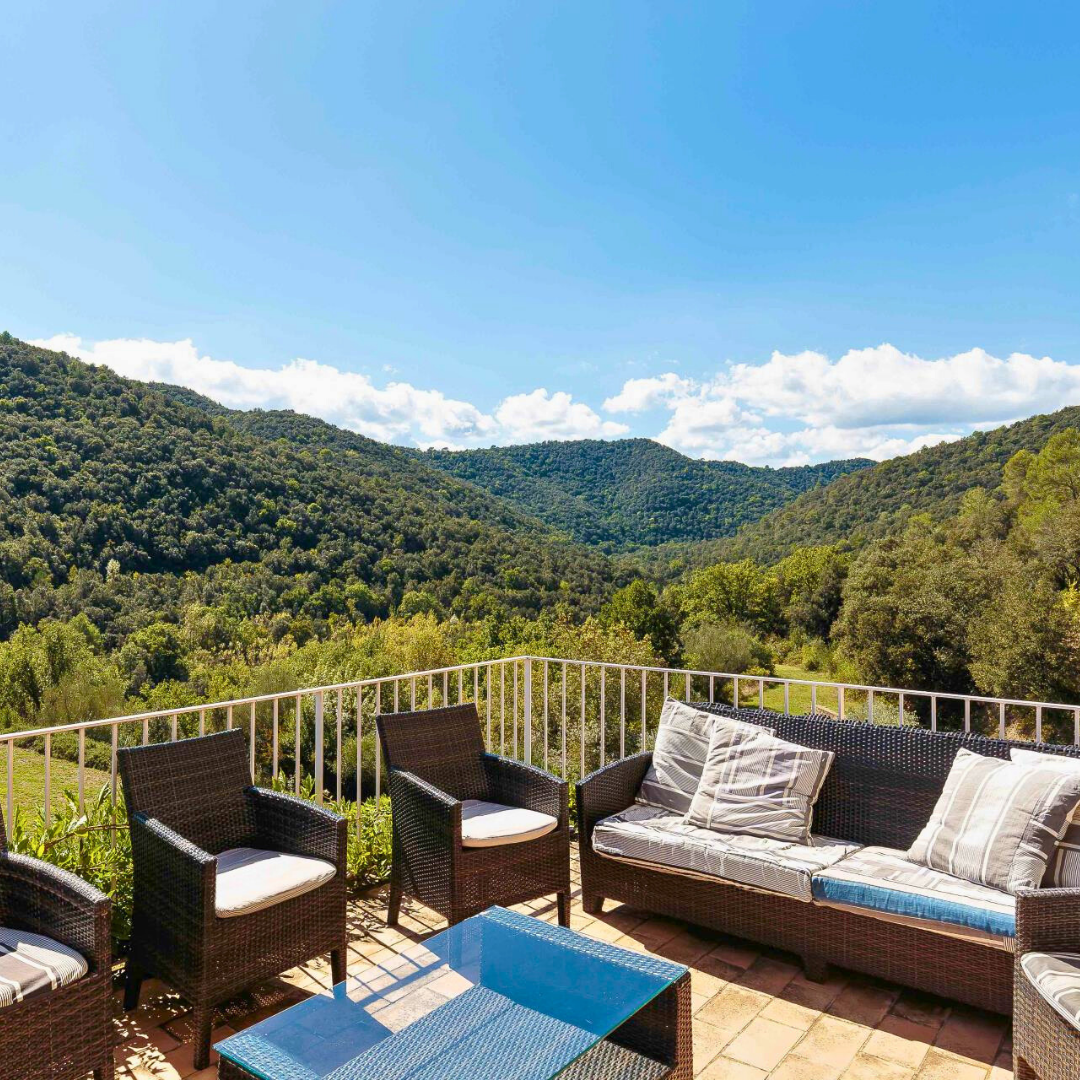
The retreat is built specifically to support former and professional athletes in resetting their bodies, identities, and emotional wellbeing.
It includes:
- Daily morning practices for grounding
- Restorative nature experiences
- Identity-Shift workshops
- Emotional regulation tools
- Stillness, community, deep reflection
- A full nervous-system-supported RESET
This is where athletes shift from: Stressed & uncertain to grounded, clear, and fully themselves