You’ve probably seen retreats on Instagram and thought some version of:
“Cool for other people. Not sure it’s for me.”
“I’m not a ‘retreat person.’”
“What if I go alone and feel awkward, out of place, or like I don’t belong?”
Totally fair. You spent years in locker rooms, buses, weight rooms, and stadiums. Your sense of belonging was built into the schedule.
Now, in athlete career transition, it can feel like you’re watching life from the outside: scrolling, searching, piecing together therapy sessions, podcasts, and books trying to answer questions like:
Who am I when I’m not competing?
What do I do when sports end?
How do I stop feeling stuck, lost, or behind?
The Athlete Reset Retreat was built for exactly that season of life.
It’s not a magic fix. It’s not “just vibes.”
It’s a balance-structured, emotionally grounded, somatic-backed clarity and identity system for former and career-transitioning athletes delivered through coaching, community, and retreat integration.
Let’s walk through what actually happens, especially if you show up alone, nervous, and not sure if you belong. (Spoiler: you do.)
Why I Built This in the First Place
After I left coaching, I didn’t have a neat plan. What I had was tension, anxiety, and a feeling of loss of control.
Part of me was terrified:
“You’re not going to be okay.”
Part of me held faith:
“Everything is going to work out.”
Both felt true.
Like I’ve said before, it felt like driving with one foot on the gas and one on the brake. I was spinning in overthinking, trying to figure out the “right” next career move, feeling low-key ashamed that I didn’t have it all together.
My nervous system was still living like it was a game day athlete. My athlete identity after retirement was stuck between who I had been and who I might become.
I tried what most athletes try:
- Therapy
- Books
- Podcasts
- Scrolling Instagram for inspiration
- Journaling
- Quietly spiraling between job postings
Helping, but not integrating.
There was no one place where:
- The body
- The nervous system
- The identity
- The emotions
- And the plan for “what comes next”
…were all being worked with together.
That’s the gap the Athlete Reset Retreat is designed to fill: a one-stop ecosystem instead of 100 scattered tabs in your mental browser.
So… What Actually Happens There?
1. You Land
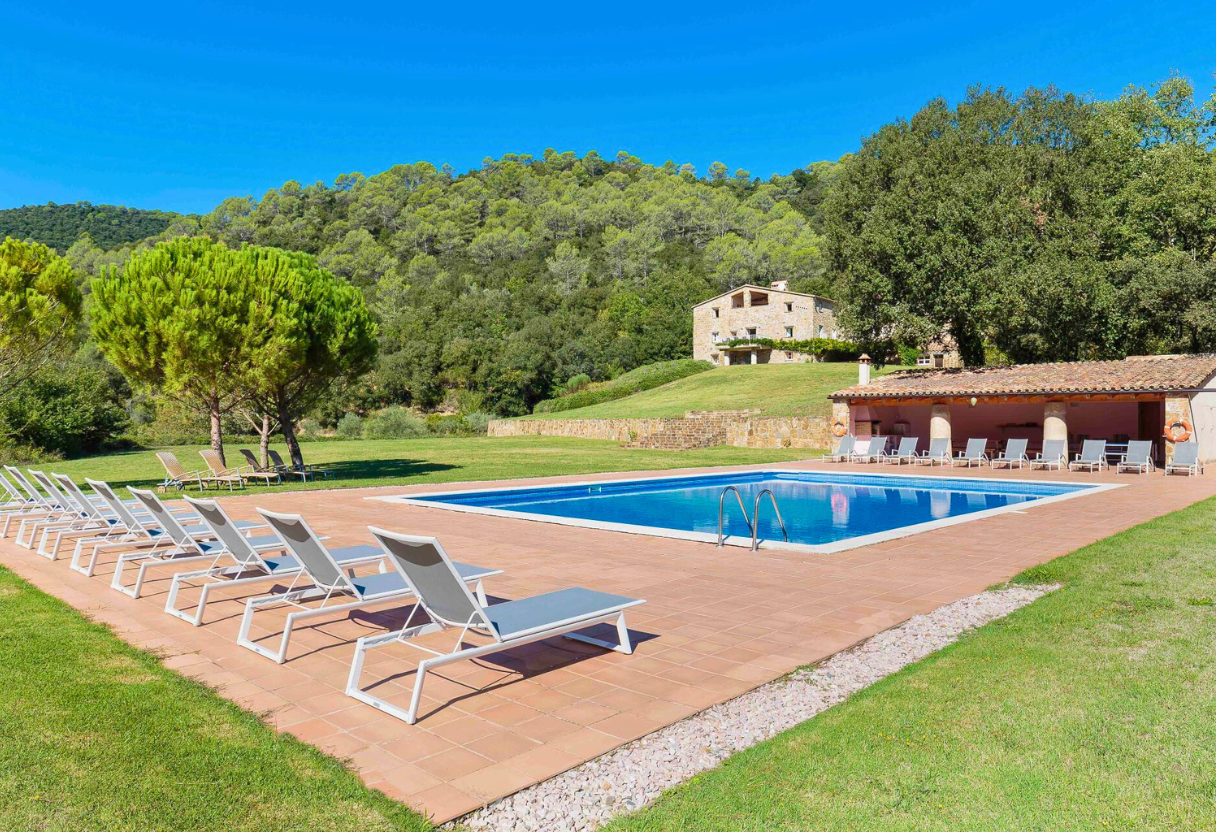
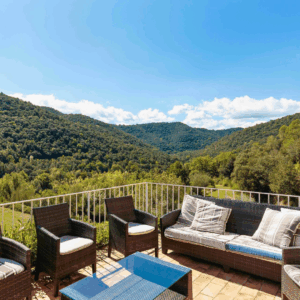
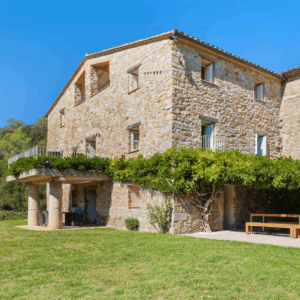
You arrive in Spain at Can Jan, tucked into the foothills of Garrotxa National Park.
You’re greeted, not assessed.
There are no icebreakers demanding your resume.
If you come alone (a lot of people will), you’re not the odd one out, you’re in the right place.
The first “practice” isn’t about forcing openness.
It’s about landing:
- Getting your bearings on the property
- Meeting people at your own pace
- Feeling your body start to exhale for the first time in a while
2. We Normalize What You’re Feeling
Very early on, we name the things most athletes never get to say out loud whatever that is for you and if you don’t know we will uncover it through dialogue judgement-free:
“I feel lost. I don’t know who I am without my sport.
I don’t know what to do next, and I’m tired of pretending I’m fine.”
You’re not treated like a problem to fix. You’re treated like a human whose context finally makes sense.
We talk about:
- Athlete identity after retirement (and why it’s so intense)
- The nervous system and why you might still be in fight-or-flight
- The tension between your old identity and your emerging one
3. Loosely Structured, Deeply Grounded Days
Each day follows a rhythm with a fun schedule.
You’ll recognize the structure:
- Morning practices (movement, breath, meditation, somatic exercises)
- Daytime excursions or free time (hikes, Girona, Dalí Museum, vineyards, nature, stillness)
- Evening sessions (coaching, reflection, identity work, integration)
But within that rhythm, there’s freedom:
- You’re not “behind” if you need a nap.
- You’re not “weak” if you cry.
- You’re not “too much” if you share honestly.
You’re learning a new kind of performance: showing up as yourself.
4. We Work with the Body, Not Just the Mind
Professional and former athletes are incredibly mentally strong.
They’re also really practiced at living in their heads.
This retreat integrates somatic-backed practices meaning we’re not just talking about your life. We’re working through your body:
- Breathwork to help your nervous system finally downshift
- Gentle movement and embodied practices to reconnect you to your own signals
- Time in nature, where cortisol drops and parasympathetic “rest” can actually turn on
Research backs this: body-based practices significantly support emotion regulation, trauma integration, and a sense of safety in the self crucial for meaningful athlete career transition and sustainable mindset shift for former athletes.
5. We Untangle Identity (Without Forcing Decisions)
If you’ve ever thought:
You’re not alone. This is identity work, not a personality flaw.
In our workshops, we explore:
- The story you’ve been living: “I’m valuable when I perform.”
- The story you want now: “I’m valuable because I exist, and I want my life to feel aligned.”
- The internal tug-of-war between the old athlete identity and the part of you that wants something different, more creative, more spacious, more honest
We don’t rush you to a packaged answer. We help you see what’s true. Clarity doesn’t come from obsessing over the “right” next job.
It comes from removing what stands in the way (insecurities, inadequacies, and scarcity) understanding who you truly are, what truly matters to you, and how to live and express from wholeness.
6. You Experience Real Community (Not Just Networking)
This part is huge, especially if you’re afraid to come alone. Here’s the paradox:
Athletes often feel most lonely after sport ends even though they’re surrounded by people. Why?
Because it’s rare to be in a room where:
- Everyone sees you, hears you without judgement or unsolicited advice.
- Everyone has felt the panic of answering to “What I do for work or What am I going to do next?”
- Everyone is willing to admit they don’t want to live on autopilot anymore
At the retreat, community is not forced small talk. It’s shared context. You’ll connect over:
- Meals
- Hikes
- Late-night conversations
- Unfiltered reflections
You’ll likely leave with new friendships, accountability partners, and a sense of,
“Wow. I’m really not the only one feeling this way.”
For skeptical, independent, or introverted athletes, this often becomes the most healing part.
7. We Don’t Just Open You Up. We Help You Integrate
A lot of experiences crack you open…then send you home raw, overwhelmed, and ungrounded.
This retreat is intentionally built with integration baked in:
- We connect your insights to real-world actions.
- We identify simple practices you can sustain when you go home (not 47 things just a few anchoring practices).
We help you translate your retreat experience into everyday life: work, relationships, creativity, boundaries, and rest.
We’re not interested in giving you a “high.” We’re committed to helping you build a new baseline, a new you.
What If You’re Skeptical or Afraid to Come Alone?
Good. That means the part of you that wants safety is awake. Here’s what I’ll say to you, athlete to athlete:
If your skepticism is saying: “What if this doesn’t work?”
Let another part of you ask: “What if it does?”
What if finding meaning beyond competition doesn’t mean abandoning everything you were but expanding into who you actually are?
Why This Is Different from Therapy, Podcasts, or Doing It Alone
Therapy is powerful. Podcasts and books are valuable. But most athletes are:
- Going to therapy once a week/month
- Listening to 3–5 different mental health / performance podcasts
- Reading books in between
- Journaling or scrolling when they feel overwhelmed
Yet still feeling:
- Lack of support
- Stuck
- Isolated
- Fragmented
Because nothing is being held in one container. The Athlete Reset Retreat is that container:
- Somatic + emotional + mental + identity + community
- One integrated system instead of 10 disconnected tools
- A nervous-system-aware space designed specifically for athletes in transition
It’s not about giving you more content. It’s about giving you an experience that shifts your mindset and identity and fundamentally changes your relationship with yourself for the better.
If You’re Reading This, You’re Already in the Transition
You don’t need to wait for a breaking point. You’re already:
- Questioning the old story
- Seeking clarity
- Longing for a community that feels real
The retreat doesn’t give you a new identity. It gives you the space, tools, and support to discover the one that’s been waiting underneath the noise.