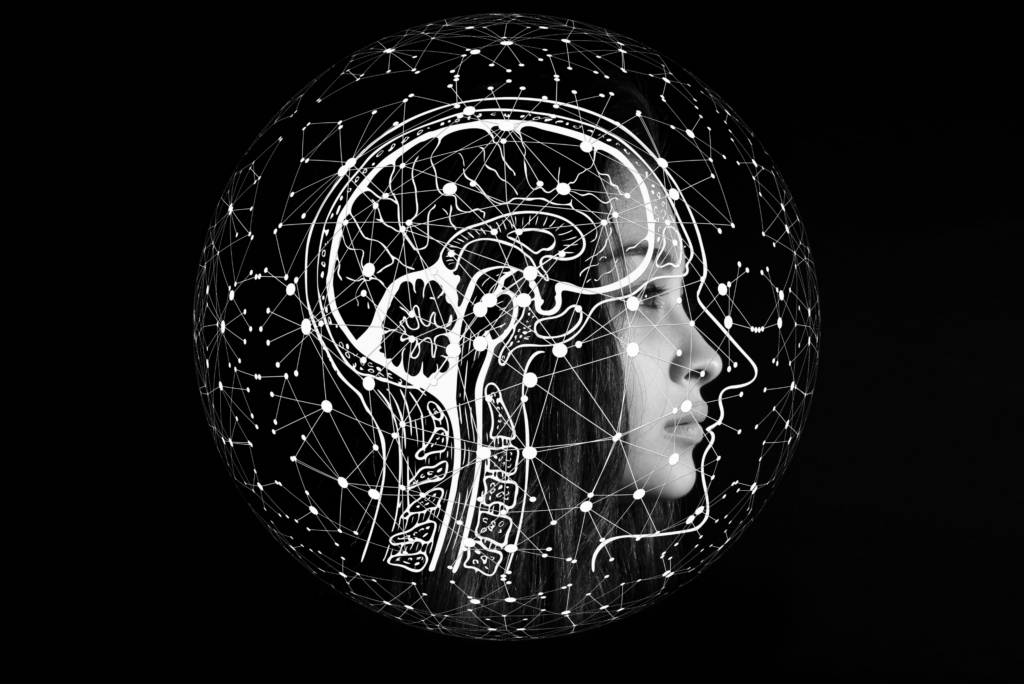
Retirement from a sport you’ve dedicated your life to can be a challenging and emotionally charged experience. As a female athlete, the transition can feel like stepping into the unknown, leaving behind the adrenaline, structure, and identity tied to your athletic career. However, understanding the science of getting unstuck and taking practical, actionable steps can make this transition smoother and more fulfilling.
Understanding the Science
Neuroplasticity: The Brain’s Ability to Adapt
Neuroplasticity refers to the brain’s ability to reorganize itself by forming new neural connections. This ability is crucial during transitions, as it allows us to adapt to new situations and learn new skills.
- Dopamine: The Motivation Molecule
Dopamine, often referred to as the “motivation molecule,” plays a significant role in our drive and enthusiasm. It’s released when we achieve goals, both big and small. By setting new, achievable goals, you can harness dopamine to boost your motivation during the transition.
- Cognitive Behavioral Therapy (CBT): Changing Thought Patterns
CBT is a psychological approach that helps you identify and change negative thought patterns. By recognizing unhelpful thoughts and reframing them, you can improve your mental resilience and adaptability.
Practical Steps to Get Unstuck
- Embrace a Growth Mindset
Dr. Carol Dweck’s research on growth mindset highlights the importance of believing in your ability to grow and learn. Adopting this mindset can help you see challenges as opportunities rather than obstacles.
Actionable Step: Start a journal where you document your progress, setbacks, and the lessons you learn along the way. Reflect on how challenges have contributed to your growth.
- Set New, Achievable Goals
Transitioning out of sports doesn’t mean you stop setting goals. In fact, setting new goals can give you a sense of direction and purpose.
Actionable Step: Create a vision board with both short-term and long-term goals. Include personal, professional, and health-related goals to ensure a balanced approach.
- Build a Support Network
Surround yourself with people who support and understand your journey. This can include family, friends, mentors, and fellow retired athletes.
Actionable Step: Join online communities or local groups for retired athletes. Sharing experiences and advice can provide valuable support and motivation.
- Develop New Skills
Learning something new can reignite your passion and give you a sense of accomplishment.
Actionable Step: Enroll in a course or workshop that interests you. Whether it’s related to a new career path or a hobby, continuous learning keeps your brain engaged and adaptive.
- Practice Mindfulness and Self-Compassion
Mindfulness helps you stay present and reduces anxiety about the future. Self-compassion involves being kind to yourself, especially during difficult times.
Actionable Step: Incorporate mindfulness practices into your daily routine, such as meditation, yoga, or simply taking a few minutes each day to breathe deeply and reflect.
Mia Hamm:
“The transition was tough, but I found a new passion in coaching and mentoring young athletes. It’s fulfilling to give back and stay connected to the sport I love.”
Lindsey Vonn:
“Retirement gave me the opportunity to explore other interests and grow as a person. I discovered a love for business and now run my own company.”
By understanding the science behind getting unstuck and taking these practical steps, you can navigate the transition from sports with confidence and resilience. Remember, the skills and determination that made you a successful athlete will continue to serve you well in this new chapter of your life. Embrace the journey, set new goals, and build a fulfilling future beyond the game.